

Home

Picking a solar installer is where most people get stuck. The panels themselves are fairly similar across brands these days — it’s who fits them, what they charge, and what happens if something goes wrong afterwards that actually varies. So we’ve pulled together the UK’s most-searched solar panel installation companies in one place, from nationwide turnkey installers and household energy suppliers through to the smaller regional solar installers who know your local roofs, planning rules and DNO quirks better than anyone.
Below you’ll find real MCS certification status, Trustpilot and Google review scores, warranty terms, battery options and indicative price ranges for each company, updated as of August 2026, so you can compare solar installers side by side before you request a single quote. Whether you’re after a nationwide name like Octopus Energy, E.ON Next or EDF Renewables, a pay-monthly solar subscription option like Sunsave, or a trusted local solar installer covering London, the South East, the Midlands, East Anglia, the North West, the South West, Wales, Scotland or Northern Ireland, you’ll find them grouped by region below.
Every installer listed here is MCS-certified, which matters more than people realize. It’s what makes you eligible for the Smart Export Guarantee and keeps your installation compliant with UK building regulations. All current quotes also benefit from 0% VAT on qualifying residential solar panel installations until March 2027, so the price ranges below already reflect that saving.
We update these solar installer listings regularly as prices, warranties and review scores shift, so it’s worth bookmarking this page rather than an old quote you were sent months ago. And if you’re still not sure which type of installer suits your home, our team is always happy to point you in the right direction at support@solarbriton.co.uk.
📋 Jump to a section
1. Nationwide Turnkey Installers (Upfront/Finance)
Nationwide
Heatable
- Panel: Premium Tier‑1, MCS‑certified monocrystalline panels
- Tesla / HIES: Tesla Powerwall certified installer and a HIES‑accredited member.
- Warranty: Panels 25 yr, inverter 10–15 yr, workmanship via HIES IBG.
- Battery: Add £2,000–£6,000 for a battery (3–10 kWh)
- 0% VAT on solar until March 2027 – show prices as “incl. VAT”.
Review score: 4.8–4.9★ across 13,000+ Trustpilot reviews
Price Range:
3 Kw : £4,500–£6,500
4 Kw : £5,500–£8,000
5 Kw : £6,500–£9,000
6 Kw : £7,500–£10,500
10 Kw : £10,000–£14,000
Indicative UK market ranges to help you sanity-check quotes; Heatable’s exact price comes from its online tool.
Nationwide
Contact Solar
- Panel: MCS‑certified mono panels; EDF Energy’s partner installer
- MCS/HIES: MCS certified; Trusted Trader; EDF partner
- Warranty: “Excellent warranties” + scaffolding included (25‑yr panel typical; confirm exact terms)
- Battery: 5.32 kWh battery packages offered (price on quote)
- 0% VAT on solar until March 2027 – show prices as “incl. VAT”.
Review score: 4.8★ from 1,380 Trustpilot reviews
Price Range:
3 Kw : £4,500–£6,500
4 Kw : £5,500–£8,000
5 Kw : £6,500–£9,000
6 Kw : £7,500–£10,500
10 Kw : £10,000–£14,000
Indicative UK market ranges to help you sanity-check quotes; Contact Solar’s exact price comes from its online tool.
Nationwide
Project Solar
- Panel: Evo Max Super 480 W (22.2% TOPCon) / SunPower Maxeon option
- MCS/HIES: MCS, NAPIT, HIES, FCA‑regulated
- Warranty: Lifetime panels & inverter (premium ranges), 10‑yr workmanship (site) / 12 months
- Battery: Own‑brand CURV 6/12 kWh (10‑yr), SolaX, FoxESS; +5 kWh ≈ +£3,700
- 0% VAT on solar until March 2027 – show prices as “incl. VAT”.
Review score: 4.6–4.7★, 7,100+ Trustpilot reviews
Price Range:
3.5 Kw : £6,100 Approx.
4.5Kw + 5 Kw : £9,800
6 Kw + 10 Kw : £13,000+
Indicative UK market ranges to help you sanity-check quotes; Project Solar UK’s exact price comes from its online tool.
Nationwide
Solar4Good
- Panel: Tier‑1 MCS mono (SigEnergy/AIKO ranges)
- MCS/HIES: MCS, HIES, NAPIT, TrustMark; FMB Best Solar Installer 2026
- Warranty: 25‑yr panel warranty; 3‑week guaranteed install
- Battery: FoxESS / SigEnergy / Tesla options (+£2,500–£6,000 guide)
- 0% VAT on solar until March 2027 – show prices as “incl. VAT”.
Review score: 4.8–4.9★, 780+ Trustpilot reviews; Checkatrade 9.53
Price Range:
4 Kw : £5,500–£8,000
5 Kw : £6,500–£9,000
6 Kw : £7,500–£10,500
10 Kw : £10,000–£14,000
Indicative UK market ranges to help you sanity-check quotes; Solar4Good’s exact price comes from its online tool.
Nationwide
MAK Energy
- Panel: MCS‑certified mono panels (brand on quote)
- MCS/HIES: MCS, RECC, IWA accredited
- Warranty: Manufacturer warranties (25‑yr panel typical); terms on quote
- Battery: Retrofit & new batteries offered (+£2,000–£6,000 guide)
- 0% VAT on solar until March 2027 – show prices as “incl. VAT”.
Review score: 3.4★, 8 Trustpilot reviews
Price Range:
3 Kw : £4,500–£6,500
4 Kw : £5,500–£8,000
5 Kw : £6,500–£9,000
6 Kw : £7,500–£10,500
Indicative UK market ranges to help you sanity-check quotes; MAK Energy’s exact price comes from its online tool.
Nationwide
Glow Green
- Panel: Tier‑1 MCS – DMEGC (value) / Perlight (premium)
- MCS/HIES: MCS, NICEIC, HIES
- Warranty: Up to 30‑yr product warranty; 5‑yr workmanship
- Battery: Fox (value) / Duracell / Tesla Powerwall 3; 0% APR finance up to 4 yrs
- 0% VAT on solar until March 2027 – show prices as “incl. VAT”.
Review score:“Excellent”, 15,300+ verified Trustpilot reviews (≈4.5★)
Price Range:
3 Kw : £2,385–£3,585
4 Kw : £3,180–£4,780
5 Kw : £3,975–£5,975
6 Kw : £4,770–£7,170
10 Kw : £7,950–£11,950
Indicative UK market ranges to help you sanity-check quotes; Glow Green’s exact price comes from its online tool.
2. Major Energy Suppliers (Utility Networks)
Nationwide
Octopus Energy
- Panel: JA Solar 455 W mono (~21.3%)
- MCS/HIES: MCS, in‑house teams
- Warranty: 25‑yr panels/microinverters + workmanship warranty
- Battery: Fox ESS from £3,447 (5 kWh) / Enphase / Tesla Powerwall 3 £7,499
- 0% VAT on solar until March 2027 – show prices as “incl. VAT”.
Review score: 4.8★ Trustpilot (group score, 847k+ reviews)
Price Range:
3 Kw : £4,500–£6,500
4 Kw : £5,000–£8,100
5 Kw : £6,500–£9,500
6 Kw : £7,000–£11,500
10Kw : £10,000–£14,000+
Indicative UK market ranges to help you sanity-check quotes; Octopus Energy’s exact price comes from its online tool.

Nationwide
E.ON Next
- Panel: MCS mono panels with 30‑yr product warranty
- MCS/HIES: MCS certified
- Warranty: 30‑yr panels; 10‑yr battery; 2‑yr workmanship
- Battery: From £1,900 added at install
- 0% VAT on solar until March 2027 – show prices as “incl. VAT”.
Review score: ~4.4★ Trustpilot solar rating (supplier page 4★, 214k reviews)
Price Range:
3 Kw : £4,995–£6,600
4 Kw : £5,500–£7,800
5 Kw : £6,495–£8,500
6 Kw : £6,600–£10,500
10 Kw : £11,000–£15,000+
Indicative UK market ranges to help you sanity-check quotes; E.ON Next’s exact price comes from its online tool.
Commercial
EDF Renewables
- Panel: MCS mono panels (delivered with partner Contact Solar)
- Warranty: 25‑yr panels, 10‑yr inverter, 10‑yr battery, “lifetime support”
- Battery: 10‑yr warranted batteries (price on quote)
- 0% VAT on solar until March 2027 – show prices as “incl. VAT”.
Review score: No rating available
Price Range:
3 Kw : £4,500–£6,500
4 Kw : £5,500–£8,000
5 Kw : £6,500–£9,000
6 Kw : £7,500–£10,500
10 Kw : £10,000–£14,000
Indicative UK market ranges to help you sanity-check quotes; EDF Renewables’s exact price comes from its online tool.
3. Subscription & Pay-Monthly Brands
Nationwide
Sunsave
- Panel: Premium-tier kit, battery included as standard
- MCS/HIES: MCS, Flexi‑Orb, EPVS Gold, RECC, NAPIT, TrustMark, Trusted Trader, FCA
- Warranty: 20‑yr Sunsave Guarantee (Plus: 24/7 monitoring, free battery/inverter replacement, Aviva insurance); 5‑yr workmanship (Standard); 10‑yr workmanship on home battery
- Battery: included; standalone battery package £3,629 upfront or £0 deposit
- 0% VAT on solar until March 2027 – show prices as “incl. VAT”.
Review score: 4.8★, Trustpilot~400 reviews
Price Approx.
Sunsave Plus from £69/month, £0 upfront; Standard quote‑based (guide prices apply)
Indicative UK market ranges to help you sanity-check quotes; Sunsave’s exact price comes from its online tool.
4. Major Energy Suppliers (Utility Networks)
London & South East
Regional
The Solar Co.
(Bromley)
- Panel: Premium mono with SunSynk/SolarEdge inverters;
- Tesla / HIES:Tesla Powerwall & Zappi installer. MCS; Trusted Trader (Renewables Specialist of the Year)
- Warranty: Full 10‑year guarantee
- Battery: Tesla Powerwall options (+£4,000–£8,000 guide)
- 0% VAT on solar until March 2027 – show prices as “incl. VAT”.
Review score: Trustpilot~4.9–5★, ~105 reviews
Price Range:
4 Kw : £6,000–£8,500
5 Kw : £7,000–£9,500
6 Kw : £8,000–£11,000
Indicative UK market ranges to help you sanity-check quotes; The Solar Co.’s exact price comes from its online tool.
Regional
Unclouded Solar
(Sevenoaks/Kent)
- Panel: Tier‑1 mono (brand on quote)
- Warranty: 10‑year workmanship warranty
- Battery:Offered (price on quote; +£2,500–£6,000 guide)
- 0% VAT on solar until March 2027 – show prices as “incl. VAT”.
Review score: Checkatrade 5/5 (40 reviews); Google 5.0
Price Range:
3 Kw : £4,500–£6,500
4 Kw : £5,500–£8,000
5 Kw : £6,500–£9,000
6 Kw : £7,500–£10,500
Indicative UK market ranges to help you sanity-check quotes; Unclouded Solar’s exact price comes from its online tool.
Regional
Discover Solar
(London)
- Panel: AIKO Gen‑2 460 W + Fox ESS batteries/hybrid inverters, MCS certified
- Warranty: Manufacturer warranties (25‑yr panel / 10‑yr battery typical)
- Battery: Own‑brand CURV 6/12 kWh (10‑yr), SolaX, FoxESS; +5 kWh ≈ +£3,700
- 0% VAT on solar until March 2027 – show prices as “incl. VAT”.
Review score: 5.0★, ~81–84 Google/Trustpilot reviews
Price Range:
3.7 Kw : £5,000–£7,000
5.5 Kw : £7,000–£9,500
7.4 Kw : £9,000–£12,000
Indicative UK market ranges to help you sanity-check quotes; Discover Solar Ltd’s exact price comes from its online tool.
The Midlands & East Anglia
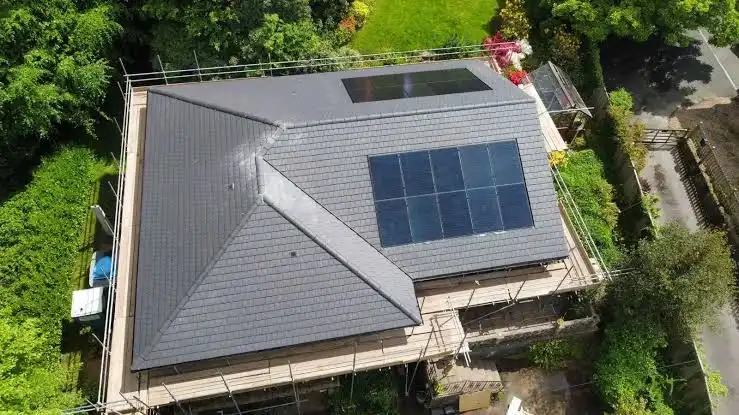
Regional
Sunbright Energy
(Kent/Surrey/Sussex + Essex/London)
- Panel: High‑efficiency Tier‑1; Fox ESS & Tesla Powerwall, Zappi EV
- Warranty: Insurance‑backed (QAWN) installation guarantee
- 0% VAT on solar until March 2027 – show prices as “incl. VAT”.
Review score: 5★ from 400–500+ reviews (Trustpilot/Google/Trustatrader)
Price Range:
3 Kw : £4,500–£6,500
4 Kw : £5,500–£8,000
5 Kw : £6,500–£9,000
6 Kw : £7,500–£10,500
Indicative UK market ranges to help you sanity-check quotes; Sunbright Energy Ltd‘s exact price comes from its online tool.
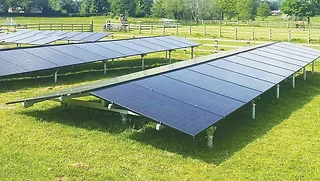
Regional
Solar Star Power
(Staffordshire/Midlands)
- Panel: Tesla / SigEnergy / Fox ranges;
- MCS: MCS certified
- Warranty: 10‑yr parts & labour; 25‑yr panel performance
- Battery: Tesla Powerwall, SigEnergy, Fox (+£3,000–£7,000 guide)
- 0% VAT on solar until March 2027 – show prices as “incl. VAT”.
Review score: Trustpilot 4.9★, 148 reviews
Price Range:
3 Kw : £4,500–£6,500
4 Kw : £5,500–£8,000
5 Kw : £6,500–£9,000
6 Kw : £7,500–£10,500
Indicative UK market ranges to help you sanity-check quotes; Solar Star Power Ltd‘s exact price comes from its online tool.
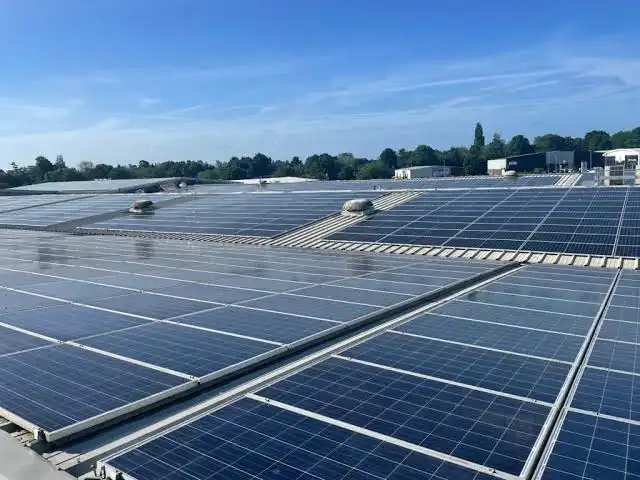
Regional
Solar East Anglia
(Norfolk/Suffolk/Cambridgeshire)
- Panel: Commercial/domestic mono
- 16+ yrs, 800+ installs
- Warranty: workmanship + manufacturer warranties on quote
- Battery: AlphaESS approved battery installer; Flexi‑Orb certified
- 0% VAT on solar until March 2027 – show prices as “incl. VAT”.
Review score: Google 5.0 (68 reviews)
Price Range:
4 Kw : £5,500–£8,000
5 Kw : £6,500–£9,000
6 Kw : £7,500–£10,500
10 Kw : £10,000–£14,000
Indicative UK market ranges to help you sanity-check quotes; Solar East Anglia’s exact price comes from its online tool.
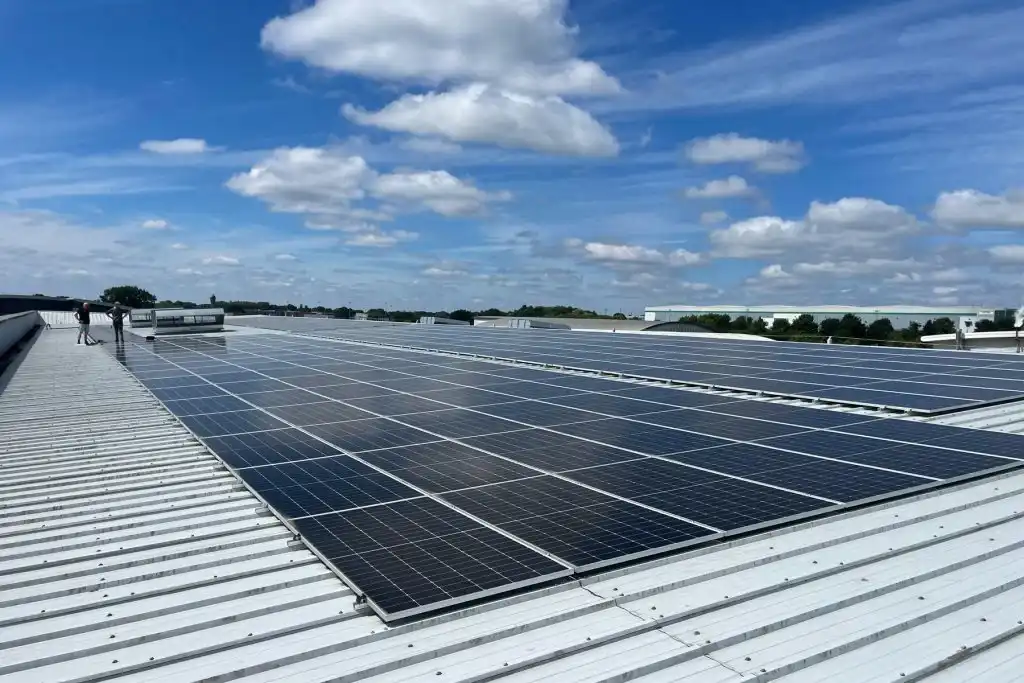
Regional
KS Connexions
(Warwickshire)
- Panel: Independent – bespoke Tier‑1 kits; Tesla Powerwall specialist (incl. Gateway/3‑phase)
- MCS/HIES: MCS accredited
- Warranty: Workmanship guarantee on quote (10‑yr typical for Tesla‑certified installers)
- Battery: Tesla Powerwall
- 0% VAT on solar until March 2027 – show prices as “incl. VAT”.
Review score: 4.9/5 from ~94 reviews (Google/Checkatrade)
Price Range:
3 Kw : £4,500–£6,500
4 Kw : £5,500–£8,000
5 Kw : £6,500–£9,000
6 Kw : £7,500–£10,500
Indicative UK market ranges to help you sanity-check quotes; KS Connexions Solar‘s exact price comes from its online tool.
The North & North West
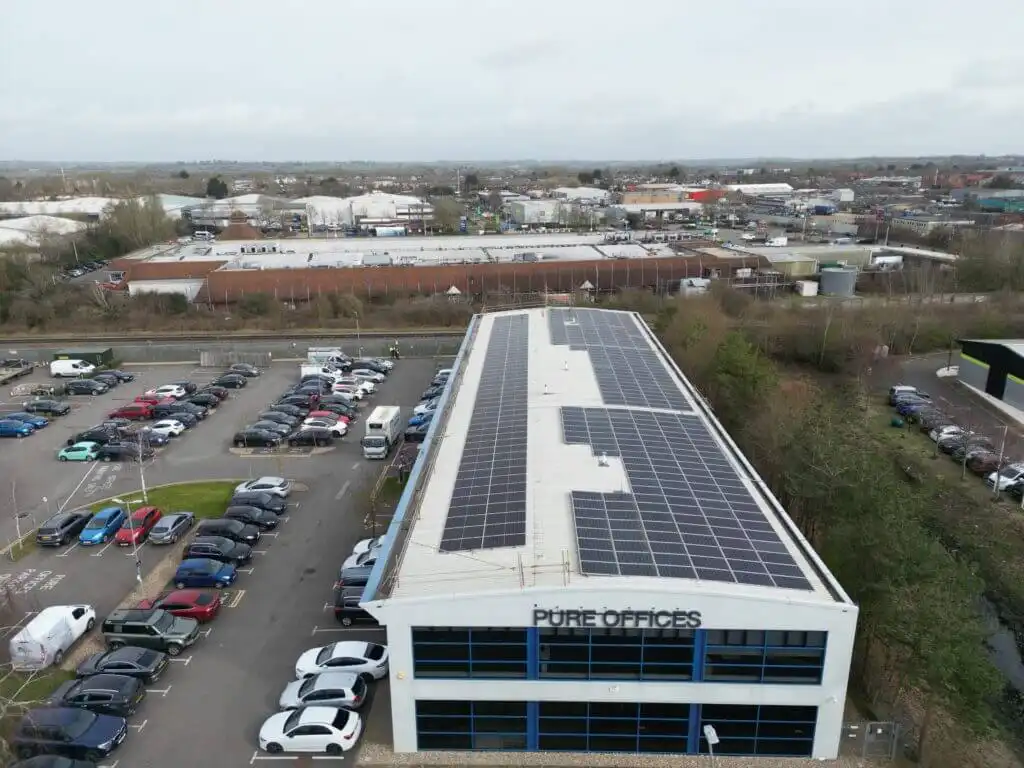
Regional
Spectra Solar Ltd
(Greater Manchester/Wigan)
- Panel: AIKO / premium mono
- MCS/HIES: MCS, HIES accredited, Trusted Trader
- Warranty: Extended equipment warranties (longer than typical – quote‑specific);
- Battery: Hanchu, Lux, Fox batteries & inverters.
- 0% VAT on solar until March 2027 – show prices as “incl. VAT”.
Trustpilot: 4★ 20 reviews, Google 4.9★ (152 reviews)
Price Range:
4 Kw : £5,500–£7,500
5 Kw : £6,000–£8,500
6 Kw : £7,000–£10,000
Indicative UK market ranges to help you sanity-check quotes; Spectra Solar Ltd’s exact price comes from its online tool.
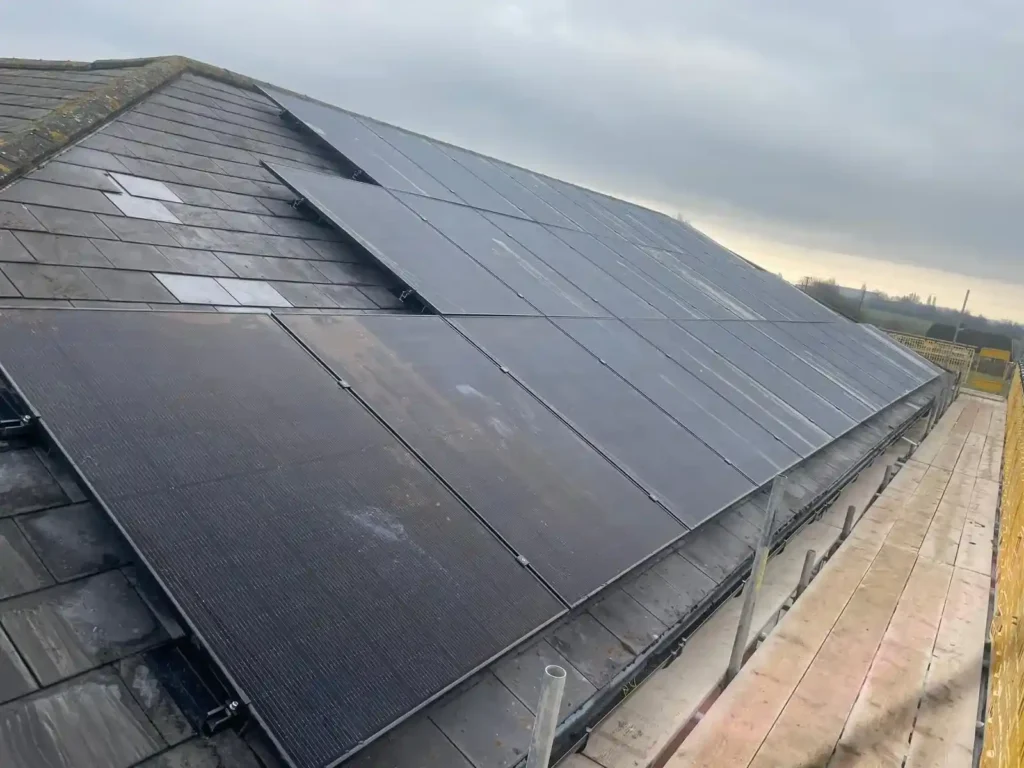
Regional
Install Solar
(Lancashire)
- Panel: AIKO 490 W 3rd‑gen premium black panels;Fox ESS / Hanchu / Sigenergy / Tesla Powerwall 3
- MCS/HIES: MCS & RECC certified
- Warranty: long‑term manufacturer warranties + full aftercare (terms on quote)
- Battery: Fox ESS / Hanchu / Sigenergy / Tesla Powerwall 3
- 0% VAT on solar until March 2027 – show prices as “incl. VAT”.
Trustpilot: ~4★ (few reviews), 5★ Google/Yelp testimonials
Price Range:
3 Kw : £4,500–£6,500
4 Kw : £5,500–£8,000
5 Kw : £6,500–£9,000
6 Kw : £7,500–£10,500
Indicative UK market ranges to help you sanity-check quotes; Install Solar Panels’s exact price comes from its online tool.
South West & Wales
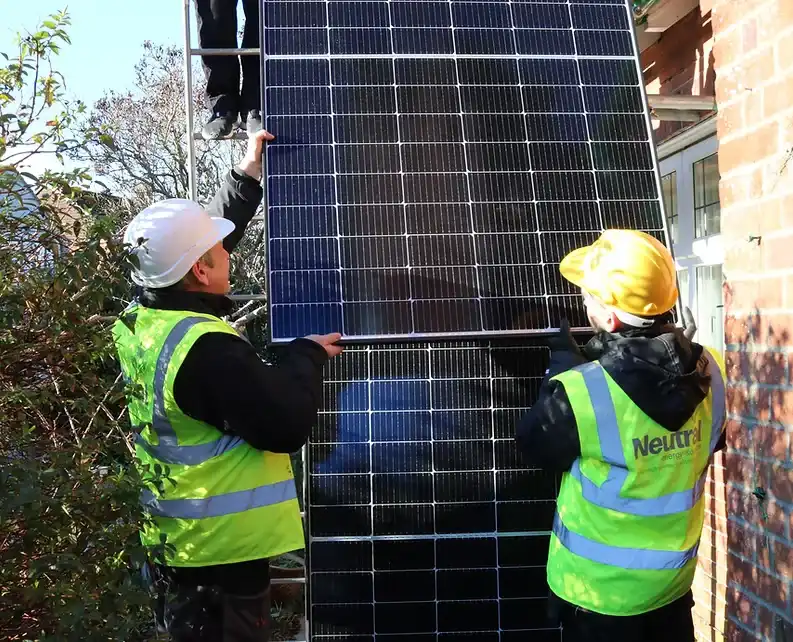
Regional
Neutral Energy Solutions
(Devon/Somerset/Cornwall)
- Panel: Award‑winning; 30+ yrs trade experience
- MCS‑accredited
- Warranty: Manufacturer warranties + workmanship on quote
- 0% VAT on solar until March 2027 – show prices as “incl. VAT”.
Reviews: 5.0★ across ~20 verified reviews; high Checkatrade score
Price Range:
3 Kw : £4,500–£6,500
4 Kw : £5,500–£8,000
5 Kw : £6,500–£9,000
6 Kw : £7,500–£10,500
Indicative UK market ranges to help you sanity-check quotes; Neutral Energy Solutions’s exact price comes from its online tool.
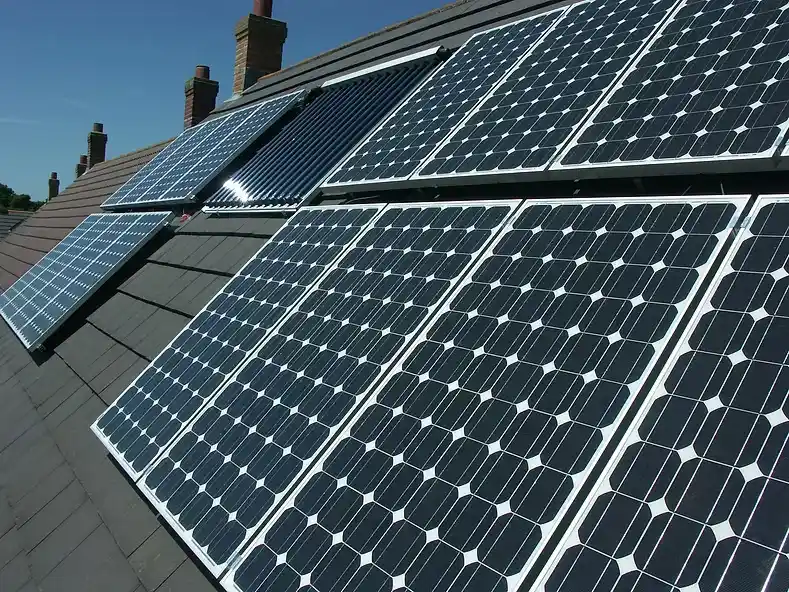
Regional
Dorset Energy Solutions
(Dorset)
- Panel: Viessmann solar PV & battery system
- Warranty: Viessmann‑trained installer – up to 7–10‑yr extended warranties possible
- Battery: Viessmann storage options (+£3,000–£6,000 guide)
- 0% VAT on solar until March 2027 – show prices as “incl. VAT”.
Reviews: 4.6/5 from 10 verified reviews
Price Range:
3 Kw : £4,500–£6,500
4 Kw : £5,500–£8,000
5 Kw : £6,500–£9,000
6 Kw : £7,500–£10,500
Indicative UK market ranges to help you sanity-check quotes; Dorset Energy Solutions’s exact price comes from its online tool.
Regional
Complete Solar Services Ltd
(Cardiff)
- Panel: Hybrid inverters with WiFi monitoring; SolarEdge optimisers for shading; TrustMark registered
- Installs + upgrades/maintenance/bird‑proofing of existing systems
- 0% VAT on solar until March 2027 – show prices as “incl. VAT”.
Reviews: 5★ customer testimonials (no large Trustpilot profile)
Price Range:
Price Range:
3 Kw : £4,500–£6,500
4 Kw : £5,500–£8,000
5 Kw : £6,500–£9,000
6 Kw : £7,500–£10,500
Indicative UK market ranges to help you sanity-check quotes; Complete Solar Services Ltd’s exact price comes from its online tool.
5. Scotland & Northern Ireland
Scotland
Ecotech Contracts
(Glasgow)
- Panel: MCS‑certified (cert No. 002234) domestic & commercial solar PV + battery
- Warranty: manufacturer warranties + turnkey project delivery
Trustpilot: 4★, very few reviews
Price Range:
4 Kw : £5,500–£8,000
5 Kw : £6,500–£9,000
6 Kw : £7,500–£10,500
10 Kw : £10,000–£14,000
Indicative UK market ranges to help you sanity-check quotes; Ecotech Contracts Limited’s exact price comes from its online tool.
Ireland
B4B Renewables
(Belfast)
- Panel: Engineer‑led commercial & domestic solar PV (domestic via Daly Renewables); since 2010
- Warranty: workmanship + manufacturer warranties on quote; 3–5‑yr typical payback messaging
- NI VAT rules differ – 0% VAT line applies to GB cards only
5.0★ across ~20 reviews (as Daly Renewables)
Price Range:
3 Kw : £4,000–£6,000
4 Kw : £5,000–£7,500
5 Kw : £6,000–£8,500
6 Kw : £7,000–£10,000
Indicative UK market ranges to help you sanity-check quotes; B4B Renewables Ltd’s exact price comes from its online tool.
*Price Range given above is for the Solar panel system without the battery. The range is subject to change with time.
*Review score: The ratings were reviewed last as of 18th August 2026.
Every solar product
the UK needs,
in one place.
Solar panels, battery storage, inverters, EV chargers and everything in between — backed by honest advice and 0% VAT on all qualifying residential installations until March 2027.
Everything you need for a complete solar setup
Whether you’re starting from scratch or upgrading an existing system, we cover every component a UK home or business needs.
The UK’s most popular 440W–500W N-type TOPCon monocrystalline panels. Jinko Solar, JA Solar and Trina Solar are the top-selling brands in 2026 — chosen for efficiency, long warranties and proven UK performance.
From ~£150/panelLiFePO4 lithium-iron home batteries from 5kWh to 20kWh. Store your surplus solar energy and use it in the evening when you need it most. A 10kWh battery saves a typical household an extra £400–£550/year.
From ~£3,500 installedString, hybrid and microinverters from Huawei, Solis, Fox ESS, SolarEdge and Enphase. Your inverter converts solar DC electricity to usable AC. A hybrid inverter means you can always add battery storage later.
From ~£600Smart EV chargers that prioritise your solar generation over grid electricity when charging your car. Combined with a solar battery, you can charge your EV almost entirely from sunshine — especially in summer.
7kW–22kW optionsApp-based energy monitoring platforms that show exactly what your system is generating, consuming and exporting in real time. Huawei FusionSolar and Sigenergy’s AI-powered platform are popular 2026 choices.
Real-time dataUK-compliant roof mounting systems for pitched and flat roofs, ground mounts, DC and AC cables, connectors, fuses and isolators. Everything your MCS-certified installer needs to complete a safe, professional job.
Full installer kitThe numbers make a compelling case
Between the 0% VAT window, record-low panel prices, and guaranteed SEG income, the economics of home solar in 2026 are better than they’ve ever been.
A typical 4kWp system saves a UK household around £680 in bill reductions, plus around £140 in Smart Export Guarantee income. Add battery storage and that can climb past £1,200 per year.
Research shows solar panels add 6.2–6.8% to the value of a 2–3 bedroom UK home. On a £280,000 property that’s around £18,800 in added equity — on top of your energy savings.
The UK hit 2 million solar installations in 2026 with 22.3GW of capacity — the fastest-growing energy technology in British history. The government aims for 70GW by 2035. You’re joining a big movement.
How much does a solar system cost in 2026?
Prices have stabilised in 2026 following years of rapid falls. Here’s what a fully installed UK solar system costs right now, including all equipment and labour.
| System Size | Approx. Panels | Without Battery | With Battery | Annual Saving (est.) | Payback Period |
|---|---|---|---|---|---|
| 3 kWp | 6–7 panels | ~£5,500 | ~£9,500 | ~£600/yr | 9–11 yrs |
| 4 kWp | 8–10 panels | ~£7,000 | ~£11,000 | ~£820/yr | 8–10 yrs |
| 5 kWp | 10–12 panels | ~£8,500 | ~£12,500 | ~£1,010/yr | 8–10 yrs |
| 6 kWp | 12–14 panels | ~£10,000 | ~£14,000 | ~£1,220/yr | 8–11 yrs |
Prices fully installed including panels, inverter, mounting and labour. Annual savings assume ~50% self-consumption, electricity at 26p/kWh and SEG at 7p/kWh. Figures are estimates — actual costs and savings vary by location, roof type and usage pattern. All qualifying residential installs at 0% VAT until March 2027.
0% VAT — act before March 2027
All qualifying residential solar panel, battery storage and solar thermal installations in Great Britain are currently charged at 0% VAT — a saving of up to £2,850 on a typical install.
Standard 5% VAT returns in April 2027. The longer you wait, the more you pay.
How a home solar system works
There are really only three parts to understand. Once you’ve got these, the rest is just choosing the right kit for your home.
Photovoltaic (PV) panels on your roof convert daylight — not just direct sunshine — into direct current (DC) electricity. Modern N-type TOPCon panels are efficient even on overcast UK days and continue generating useful power year-round.
The inverter is the brain of the system. It converts DC electricity from your panels into the alternating current (AC) your home appliances run on. A hybrid inverter also manages a battery, and lets you add one later if you don’t start with one.
Solar electricity goes into your home first. Surplus charges your battery for evening use. Any remaining excess is exported to the national grid and earns you Smart Export Guarantee (SEG) payments from your energy supplier.
MCS certification matters. To qualify for the Smart Export Guarantee (SEG) and access government incentives, your installer must be MCS certified. Always check before accepting a quote.
Government help available right now
You don’t have to fund your solar system entirely on your own. There are several real, current schemes that reduce the upfront cost or provide ongoing income.
The most significant universal incentive. Since April 2022, all residential solar panel, battery and heat pump installations in Great Britain carry 0% VAT on parts and labour. This saves £1,000–£2,850 on a typical system. Applies to all homeowners with no income test. Standard VAT returns in April 2027.
UNIVERSAL · Until March 2027The government requires all licensed energy suppliers with 150,000+ customers to pay you for surplus solar electricity you export. Rates range from 4p to 15p per kWh depending on the supplier and tariff — it pays to shop around. You need an MCS-certified installation and a smart meter to qualify.
INCOME · Ongoing paymentsFor homeowners with a property EPC rating of D to G in England, this grant offers up to £15,000 for energy upgrades including solar panels and battery storage. In Scotland, Home Energy Scotland offers up to £7,500. Available through local authorities — check eligibility via the government’s official website.
LOW-INCOME HOMES · Up to £15,000The government’s £15 billion energy efficiency initiative launched in January 2026. When fully operational in 2027, it will offer 0% interest loans for solar and battery storage to all UK homeowners regardless of income. ECO4 (which covered low-income homes) ended in March 2026 — the Warm Homes Plan is its successor at a larger scale.
ALL HOMEOWNERS · From 2027How much electricity can solar generate in the UK?
A 4kWp system in central England generates around 3,500–4,200 kWh per year. Output peaks in summer but even winter months produce useful power from daylight.
Estimated monthly generation in kWh · 4kWp system · Central England · Annual total ~4,250 kWh. Actual output varies by location, panel orientation and shading conditions.
Popular solar equipment in the UK right now
These are the products UK installers and homeowners are choosing most in 2026. We’ve based this on MCS install data, installer surveys and independent reviews.
| Brand & Model | Output | Technology | Product Warranty | Why It’s Popular |
|---|---|---|---|---|
| Jinko Tiger Neo N-type | 440–480W | N-type TOPCon | 30 years | UK market leader · excellent efficiency · long warranty |
| JA Solar JAM54D41 | 425–435W | N-type TOPCon | 25 years | Consistently strong UK seller · great value per watt |
| Trina Vertex S+ | 440–450W | N-type TOPCon | 25 years | High efficiency · bifacial variant available for ground mounts |
| REC Alpha Pure | 410–430W | HJT | 25 years | Premium quality · low temperature coefficient · superb shade performance |
| Brand & Model | Type | Warranty | Best For |
|---|---|---|---|
| Huawei Sun2000 | Hybrid | 10 years | Most UK homes — market leader with best app & LUNA2000 battery integration |
| Solis S6 | String / Hybrid | 10 years | Budget-conscious buyers — flexible, pairs with most battery brands |
| Fox ESS H3 | Hybrid | 10 years | Strong mid-range option — EPS backup & popular among UK installers |
| SolarEdge | Optimised DC | 12 years | Shaded or complex roofs — panel-level monitoring and optimisation |
| Enphase IQ8 | Microinverter | 25 years | Per-panel independence — eliminates single-point failure, longest warranty |
| Brand & Model | Capacity | Chemistry | Warranty | Best For |
|---|---|---|---|---|
| Tesla Powerwall 3 | 13.5 kWh | NMC | 10 years | Best-in-class power output — whole-home backup & smart software |
| Fox ESS H3 | 5–20 kWh | LiFePO4 | 10 years | Best overall for most UK homes in 2026 — strong value and support |
| BYD Battery Box | 5–22 kWh | LiFePO4 | 10 years | Modular expansion — pairs with Fronius, SMA and most hybrid inverters |
| Sigenergy | 8–48 kWh | LiFePO4 | 10 years | All-in-one system — inverter + battery + EV charging in a single cabinet |
| Puredrive Prime | 5–15 kWh | LiFePO4 | 10 years | UK-linked company — good installer support & clean monitoring app |
Solar panels UK — your questions answered
The questions we hear most from UK buyers, answered in plain English with 2026 figures.
How much do solar panels cost in the UK in 2026?
A standard 4kWp solar system in the UK costs between £6,500 and £8,500 fully installed — panels, inverter, mounting and all electrical work included. Add battery storage and the total is typically £10,000–£14,000. Smaller 3kWp systems start from around £5,500. Thanks to the current 0% VAT rate (until March 2027), you’re saving up to £2,850 versus paying standard-rate VAT. Cost per installed kWp currently sits at around £1,500–£2,000 across the UK.
What is the Smart Export Guarantee and how does it work?
The Smart Export Guarantee (SEG) is a UK government scheme that requires all licensed energy suppliers with 150,000 or more customers to pay you for every unit of surplus solar electricity you export to the national grid. Rates range from 4p to 15p per kWh depending on your supplier and tariff — it genuinely pays to shop around. To qualify, you need an MCS-certified solar installation and a smart meter. An average 4kWp household earns around £100–£200 per year from SEG, on top of direct bill savings.
What solar grants and financial support are available in the UK in 2026?
Several things are running right now. The 0% VAT rate is universal — any residential solar installation in Great Britain qualifies until March 2027. The Warm Homes: Local Grant offers up to £15,000 for homes with EPC ratings D–G. In Scotland, Home Energy Scotland grants of up to £7,500 are available. The Warm Homes Plan, launched January 2026, will offer 0% interest loans for all homeowners when fully operational in 2027. ECO4 (which provided free solar for lower-income households) ended in March 2026, but its successor schemes continue its work at a larger scale.
Do solar panels work properly in the UK’s weather?
Yes — and this is the question we get asked most. Panels generate electricity from daylight, not just direct sunshine, so overcast days still produce useful power. The UK receives between 1,100 and 1,600 sunshine hours per year depending on location — Cornwall gets the most, Scotland the least, but both are sufficient for a solid solar investment. A typical 4kWp system in central England generates around 3,500–4,200 kWh per year. Solar panels in Yorkshire will generate meaningfully less than in Devon, but both make financial sense at current electricity prices.
What size solar panel system do I need for my home?
For most 3–4 bedroom UK homes, a 4kWp system of 8–10 panels is the right starting point. Smaller homes or lower-consumption households suit 3kWp. Larger properties, EV owners or those with a heat pump should look at 5–6kWp. The simplest way to size it: find your annual kWh consumption on your electricity bill and aim for a system that covers 60–80% of your demand. We’re happy to help you work this out — just drop us a message at support@solarbriton.co.uk and we’ll give you a straight answer.
A question about any solar product?
We give honest, no-jargon advice — whether you’re comparing panels, working out the right battery size, or just trying to understand if solar makes sense for your home or business. Drop us a line and we’ll come back to you with a straight answer.

I am a Solar Design Engineer by profession with a deep renewable energy expertise. Holding an MPhil in Energy Technologies from the University of Cambridge, I spent over nine years engineering solar power systems at an MNC. Today, I bring that expertise to SolarBriton, sharing practical solar guidance with UK homeowners to save them from unnecessary hassle and make an informed decision.

I have been a Renewable Energy Consultant for over 20 years at a Multi-national company, worked across large-scale solar projects. I now advise homeowners and businesses across the UK on choosing the right solar panels, batteries, and installers for their homes. My aim is to cut through the jargon and help people make confident, well-informed decisions about going solar and save their precious time and money.