
In-Roof Solar Panels UK

UK Solar Guide · Updated June 2026
In-Roof Solar Panels UK:
The 2026 Complete Guide
What Are In-Roof Solar Panels?
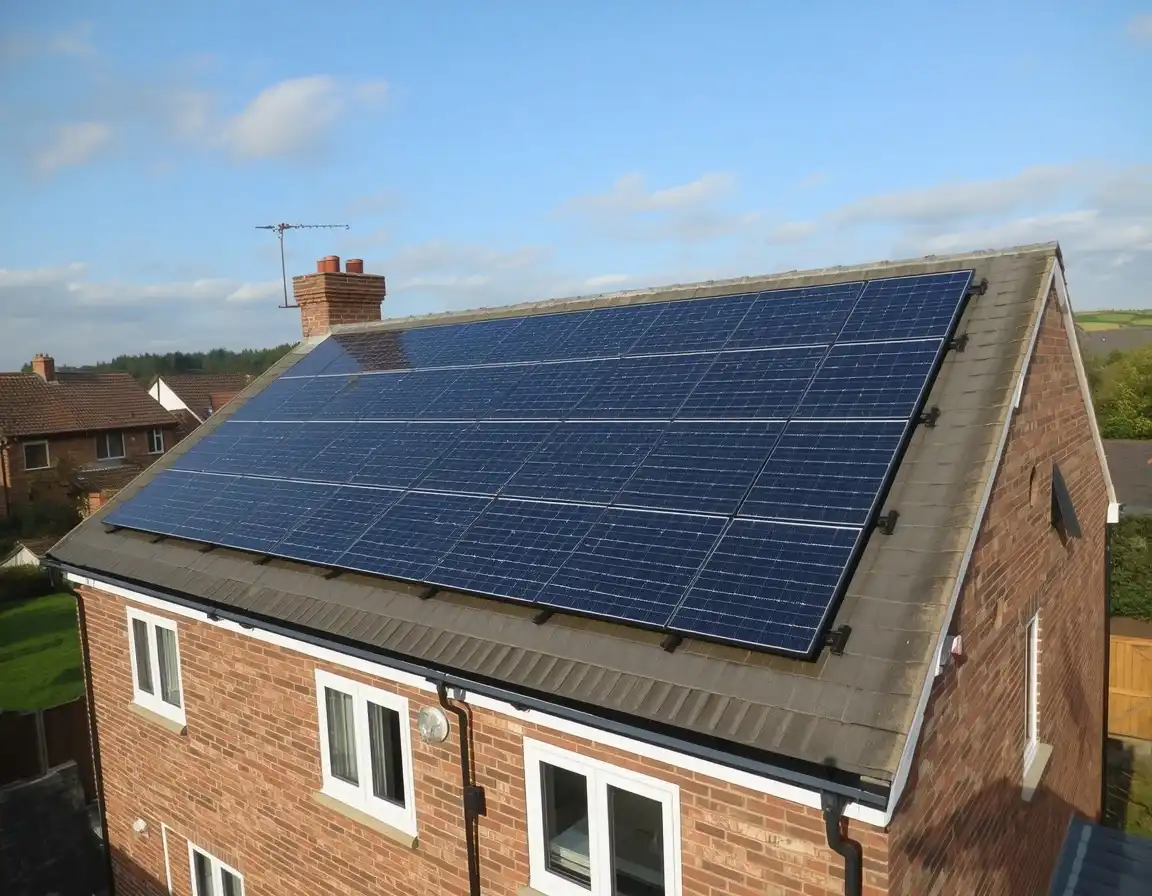
In-roof solar panels — also called integrated solar panels or roof-integrated photovoltaics — replace a section of your existing tiles or slates so the panels sit flush inside the roof structure rather than on top of it. They generate electricity in exactly the same way as traditional panels using the photovoltaic effect, but with no visible brackets, no gap above your tiles, and a seamless finish that design-conscious homeowners tend to prefer. The market-leading UK system is Viridian Solar’s Clearline Fusion — a British-built product (now part of Marley Ltd) and the only in-roof setup to hold BBA Agrément Certification under NHBC Technical Requirements for durability.
In-Roof vs On-Roof: Side-by-Side (2026)
| Feature | In-Roof (Integrated) | On-Roof (Standard) |
|---|---|---|
| 4kW cost — no battery | £6,600 – £8,100 | £5,500 – £7,500 |
| 4kW cost — with battery | ~£9,700+ | ~£8,500+ |
| Panel efficiency | 5–10% lower (less airflow) | Higher — 22–24% (N-type) |
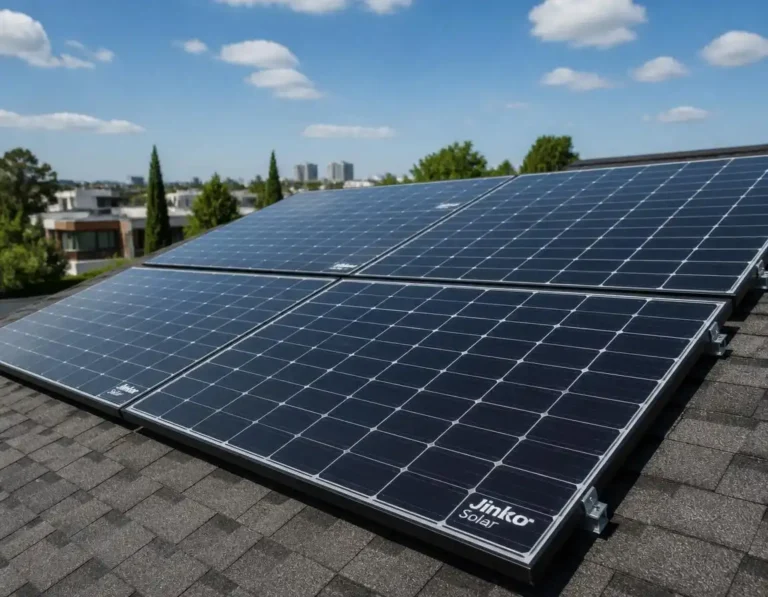
| Appearance | Flush, low-profile | Visible above roofline |
| Panel warranty | ~15 years | 25 years |
| Best suited for | New build / roof replacement | Retrofit on any existing roof |
| Conservation areas | Easier to approve | Standard Permitted Dev. rules |
| VAT & SEG | 0% VAT · Both SEG-eligible with MCS-certified installer | |
Sources: GreenMatch, Sunsave Energy, Solar Advice UK (June 2026). Prices include 0% VAT.
2026 Cost Breakdown
A 4kW in-roof solar panel system typically costs £6,600 to £8,100 fully installed — covering panels, weathertight integration tray, inverter, all electrical work, scaffolding, and DNO notification. In-roof systems run around £1,000 more than equivalent on-roof setups due to the additional roofing work involved. That premium largely disappears if you’re already having your roof replaced, where scaffolding and labour are already factored in. Always collect at least three quotes from MCS-certified installers — costs vary significantly by region and roof type.
Pros & Cons at a Glance
✓ Advantages
- Flush roofline — barely visible from street
- Easier planning approval in conservation areas
- More wind-resistant (no exposed brackets)
- Cost-effective alongside a roof replacement
- SEG-eligible — earn on surplus electricity
✕ Disadvantages
- 5–10% less efficient (limited ventilation)
- Shorter ~15-year warranty vs 25-year standard
- Costly to retrofit on an undamaged existing roof
- Panel replacement requires a roofer, not just an electrician
- Fewer UK installers offer integrated systems
How Installation Works
In-roof installation requires a qualified roofer alongside your MCS-certified solar installer, and typically takes 1–3 days on site.
Do You Need Planning Permission?
For most UK homeowners, no planning permission is needed. In-roof solar panels are Permitted Development under Part 14 of the Town and Country Planning (General Permitted Development) Order. Because they sit flush with the roofline rather than protruding above it, they’re often easier to approve in conservation areas than conventional raised panels. Listed buildings and properties in Areas of Outstanding Natural Beauty (AONBs) may still need consent — a Lawful Development Certificate (£103, ~8 weeks) gives legally binding confirmation before you commit. For official guidance, the UK Government’s solar energy page is a solid starting point. Under the updated MCS 020a planning standard (2025), in-roof panels remain Permitted Development across England, Wales, Scotland, and Northern Ireland provided they don’t extend above the highest point of the roof.
How Much Can You Save in 2026?
A 4kW in-roof system can save a typical UK household up to £1,304 per year on electricity bills, with a payback period of around six years. On top of bill savings, you’ll earn money exporting surplus power to the grid via the Smart Export Guarantee (SEG) — currently paying 3p to 16.5p per kWh depending on your energy supplier (E.ON Next’s Export Exclusive leads the fixed-rate table as of June 2026). To claim SEG payments you’ll need your MCS certificate and a SMETS2 smart meter — you don’t have to use the same supplier for import and export, so always shop around for the best export rate.
Is It Worth It in 2026?
Honestly, it depends on your timing. If you’re already replacing your roof or building a new home, going in-roof is a smart move — the extra £1,000 or so evaporates when scaffolding is already up and old tiles are coming off. You get a seamless finish that’s increasingly attractive to buyers, and the UK Government’s Future Homes Standard is making solar standard on all new builds from 2028 — in-roof integration will only become more mainstream. If you’re retrofitting onto a perfectly good existing roof purely for aesthetics, a premium all-black on-roof system often gives better financial returns at lower upfront cost, while still looking sharp.


2 Comments